Desert Honey LV logoDESERT HONEY LV
THE HONEY JOURNAL

FIELD NOTES · TASTING · STEWARDSHIP

The Daily
Honey Journal.

Stories from the flowers, landscapes, beekeepers, and tables that make regional honey worth knowing.
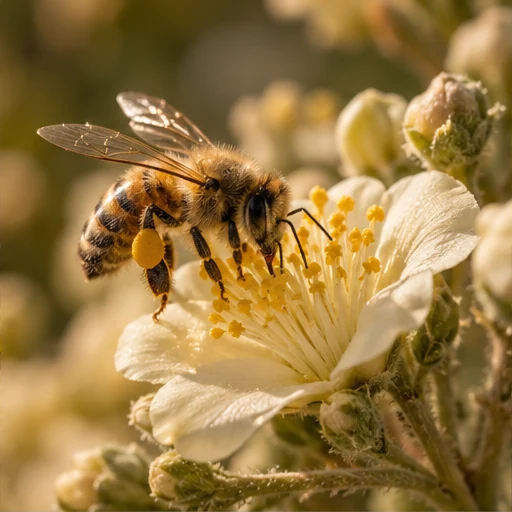
Honey bee visiting a pale desert flower
Look closely. Every jar begins here.
FRESH FROM THE JOURNAL6 STORIES

01

The quiet art of storing raw honey

A good jar needs very little from us: a steady room, a clean spoon, and the patience to let honey remain itself.

Honey keeps best in a tightly closed container at a comfortable room temperature. A dry cupboard away from direct sunlight, steam, and the heat of the stove gives the jar a stable home while protecting its aroma and texture.

Refrigeration is usually unnecessary and can encourage faster crystallization. Crystals are harmless, but if you prefer a flowing texture, place the closed jar in warm—not boiling—water and let it warm gradually. Gentle treatment preserves more of the honey’s delicate character.

Always use a clean, dry spoon. Water, crumbs, butter, or other foods introduced into the jar can change what is naturally a remarkably stable product. Simple care allows each regional harvest to taste like the flowers and landscape that made it.

A jar is a landscape you can taste.
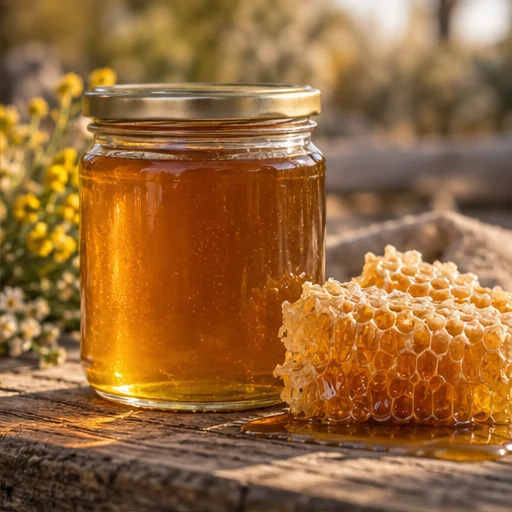
A glowing jar of raw honey stored in a calm kitchen setting

02

Why desert honey tastes like nowhere else

Heat, distance, bloom timing, and the stubborn generosity of desert plants all leave a signature in the jar.

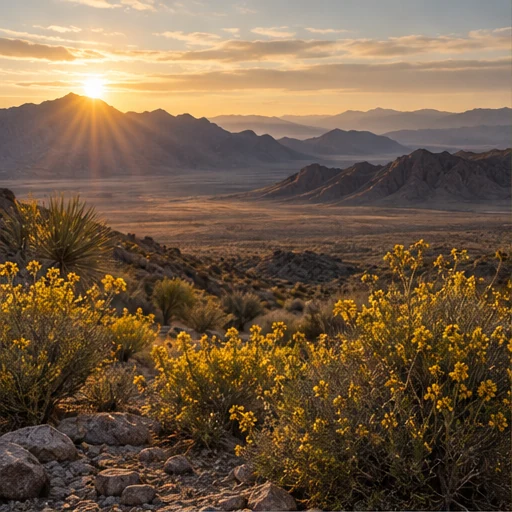
Desert honey begins with scarcity. In a landscape where every flowering week matters, bees follow short, vivid waves of bloom across washes, foothills, gardens, and agricultural edges. The nectar they gather reflects that concentrated season.

That is why a desert harvest can feel unusually aromatic and full-bodied. The flavor is not one fixed recipe; it shifts with rainfall, temperature, wind, and which plants flower together. A jar is a record of a particular place at a particular moment.

Taste it slowly. Notice the first impression, the middle, and the finish. Good regional honey often changes on the palate just as the desert changes from bright morning to warm evening.

Good honey rewards attention.
Mojave desert wildflowers glowing at sunset

03

Crystals are a sign of real honey—not a flaw

A cloudy jar or firm spoonful can be one of raw honey’s most natural transformations.

Raw honey may crystallize quickly, slowly, or hardly at all. Its natural balance of glucose, fructose, pollen, moisture, and temperature helps determine what happens. Fine crystals can create a creamy texture; larger crystals can feel more rustic.

Crystallization does not mean the honey has spoiled. If you prefer it liquid, keep the container closed and warm it gently in a bowl of warm—not boiling—water. High heat can flatten aroma and change the qualities people value in raw honey.

The best approach is often the simplest: enjoy the jar as it changes. Spread crystallized honey on toast, stir it into warm oatmeal, or pair it with aged cheese.

Good honey rewards attention.
Amber raw honey and honeycomb in warm natural light

04

What humane harvesting looks like at the hive

Responsible harvesting starts by asking what the colony needs—not how much honey can be removed.

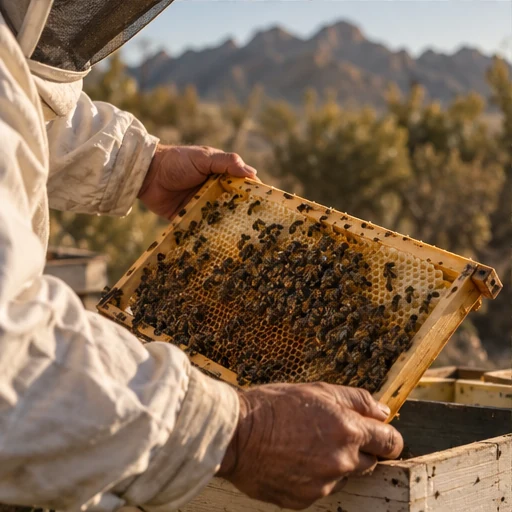
Honey is food stored by a living colony. Thoughtful beekeepers read the season, colony strength, forage conditions, weather outlook, and winter needs before deciding whether there is a true surplus to harvest.

Humane handling also means calm inspections with a clear purpose. Frames are moved carefully, the hive is left open only as long as needed, and colony health matters more than maximizing a single crop.

For customers, asking who produced the honey and where it came from is meaningful. Traceability helps turn a sweetener into a relationship with a beekeeper, a landscape, and a standard of care.

Good honey rewards attention.
Beekeeper gently inspecting a healthy honeycomb frame

05

How to taste honey like a regional food

The same simple attention used for coffee, chocolate, or wine reveals a surprising world in honey.

Begin at room temperature with a clean spoon and a glass of water nearby. Smell before tasting. Aroma may suggest flowers, warm grass, citrus peel, herbs, caramel, or sun-baked earth.

Let a small amount rest on the tongue. Notice brightness, floral lift, richness, texture, and the length of the finish. Then compare two regions side by side. Contrast makes subtle differences easier to recognize.

There is no expert answer you must find. Tasting is simply a way to pay attention—and to discover which landscape belongs on your breakfast table.

Good honey rewards attention.
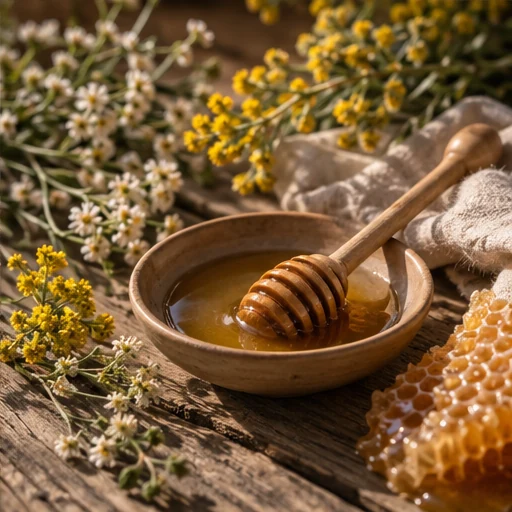
Honey, honeycomb, and desert flowers arranged in afternoon light

06

An orchard in bloom is a promise

Fruit-tree blossoms feed bees in spring, while pollination helps orchards carry the season forward.

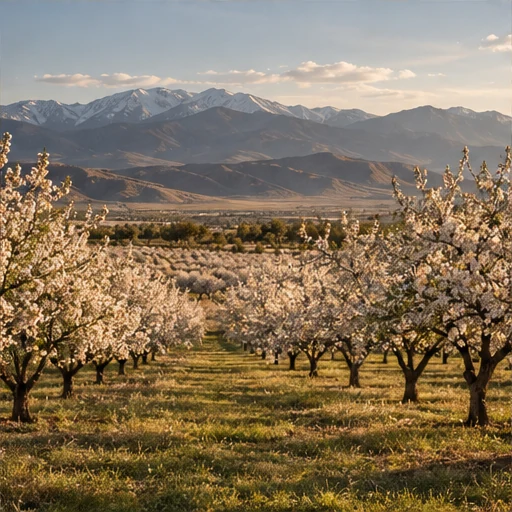
Orchard honey often carries a bright, delicate character. Bees move through thousands of blossoms, collecting nectar while transferring pollen between flowers. The result connects the future fruit crop with the honey stored in the hive.

No two orchard seasons are identical. Cool mornings, rain, wind, and the overlap of different fruit-tree blooms can all shape the harvest. That variation is part of the beauty of regional honey.

Try lighter orchard honey with yogurt, fresh fruit, biscuits, soft cheese, or tea. Its gentle lift complements food without covering it.

Good honey rewards attention.
A flowering orchard beneath mountain foothills

THE NEXT FIELD NOTE

Keep learning.
Keep tasting.

Visit the journal for new stories about honey, bees, flowers, and humane stewardship.
Join by text →