 LAS VEGAS · FAMILY OWNED
Flowering plants
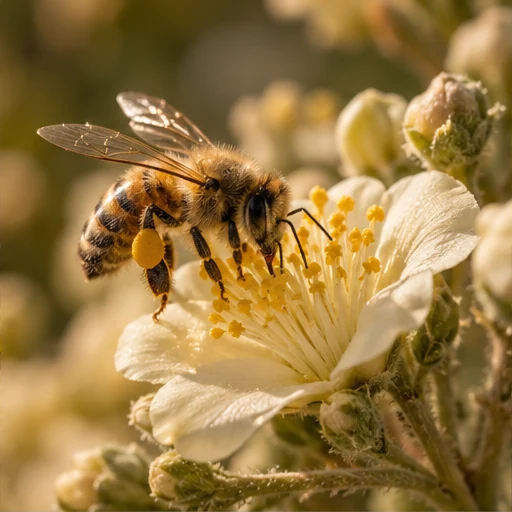
About three-fourths of the world’s flowering plants depend on animal pollinators to reproduce.
THE SCIENCE OF HONEY · THE ETHICS OF CARE
A jar is only the beginning
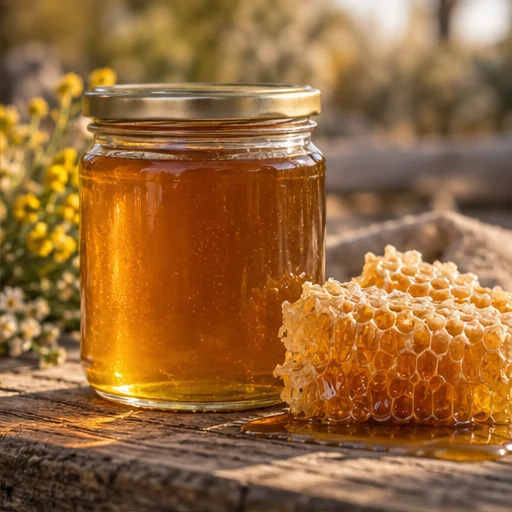
Calling honey “liquid gold” is about more than its amber color. Every jar is the concentrated result of sunlight, flowering plants, geography, weather, and the coordinated work of a colony. It connects wild ecosystems to farms, kitchens, and communities.
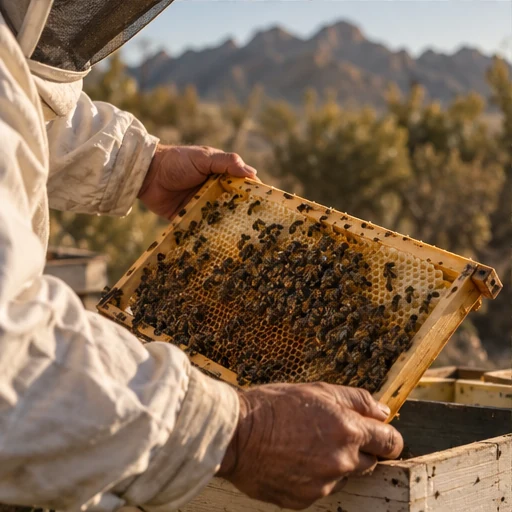
For us, honoring honey means understanding the bees first. Responsible beekeeping is not simply taking a crop from a hive. It is patient stewardship: watching colony health, protecting food stores, handling bees calmly, and harvesting only what the colony can afford to share.
About three-fourths of the world’s flowering plants depend on animal pollinators to reproduce.
About 35 percent of global crop production is affected by bees and other animal pollinators.
Thousands of native bee species in the United States help strengthen crops and ecosystems.
 FROM NECTAR TO HONEY
Nature’s quiet chemistry
Worker bees collect nectar—mostly water and plant sugars—from blossoms across their forage landscape.
Enzymes introduced by bees begin changing the nectar’s sugar profile as it passes between workers.
Bees fan their wings and move air through the hive, gradually lowering moisture until the honey is stable.
When ready, the colony seals the honey inside wax cells. It is stored energy for the bees—not merely a human product.
Our stewardship standard
The colony is not a honey machine. It is a living superorganism with its own food needs, seasonal rhythms, and defenses.
Harvest decisions should follow colony strength, season, forage conditions, and winter needs. Taking less is better than taking too much.
Thoughtful inspections have a purpose. Gentle movement, appropriate timing, and minimal hive disruption reduce unnecessary stress.
Nutrition, queen performance, pests, disease pressure, ventilation, and water access matter more than maximizing a single harvest.
Diverse, pesticide-conscious forage and clean water support managed honey bees and the many native pollinators sharing the landscape.
“The measure of a harvest is not only what leaves the hive—but what remains for the life within it.”Our stewardship philosophy
Beyond the jar
Honey is the part we can hold. Pollination is the much larger contribution. As bees move between flowers, they help plants form fruit and seed, supporting crop diversity, wildlife habitat, and resilient ecosystems.
Honey bees are one part of that story. Wild bees, butterflies, moths, beetles, birds, and bats also provide essential pollination services. Caring for the landscape means making room for all of them.
Explore USDA pollinator science ↗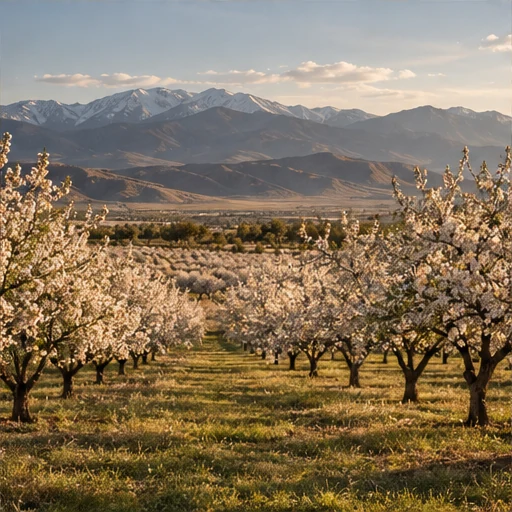
“The righteous man regardeth the life of his beast.”Proverbs 12:10 · KJV
Our Christian faith calls us to gratitude for creation and responsibility toward living things. Science helps us practice that responsibility with attention, humility, and care.
Learn from trusted sources
FROM SCIENCE TO YOUR TABLE